

When Do You Need Interior Architecture?
A space can look expensive and still fail the people using it. The kitchen bottlenecks at every turn. The clinic feels clinical in the wrong way. The boutique photographs well but does not guide customers to browse or buy. That is usually the moment people start asking when do you need interior architecture, not just decorating.
Interior architecture becomes relevant when the project goes beyond surface choices and starts affecting how a space works, feels, complies, and performs over time. It sits between architecture and interior design, shaping the built interior at a structural and spatial level while also considering experience, materiality, and identity. If your project involves walls moving, layouts changing, built-in elements being rethought, or a space needing to support a very specific way of living or operating, this is where interior architecture matters.
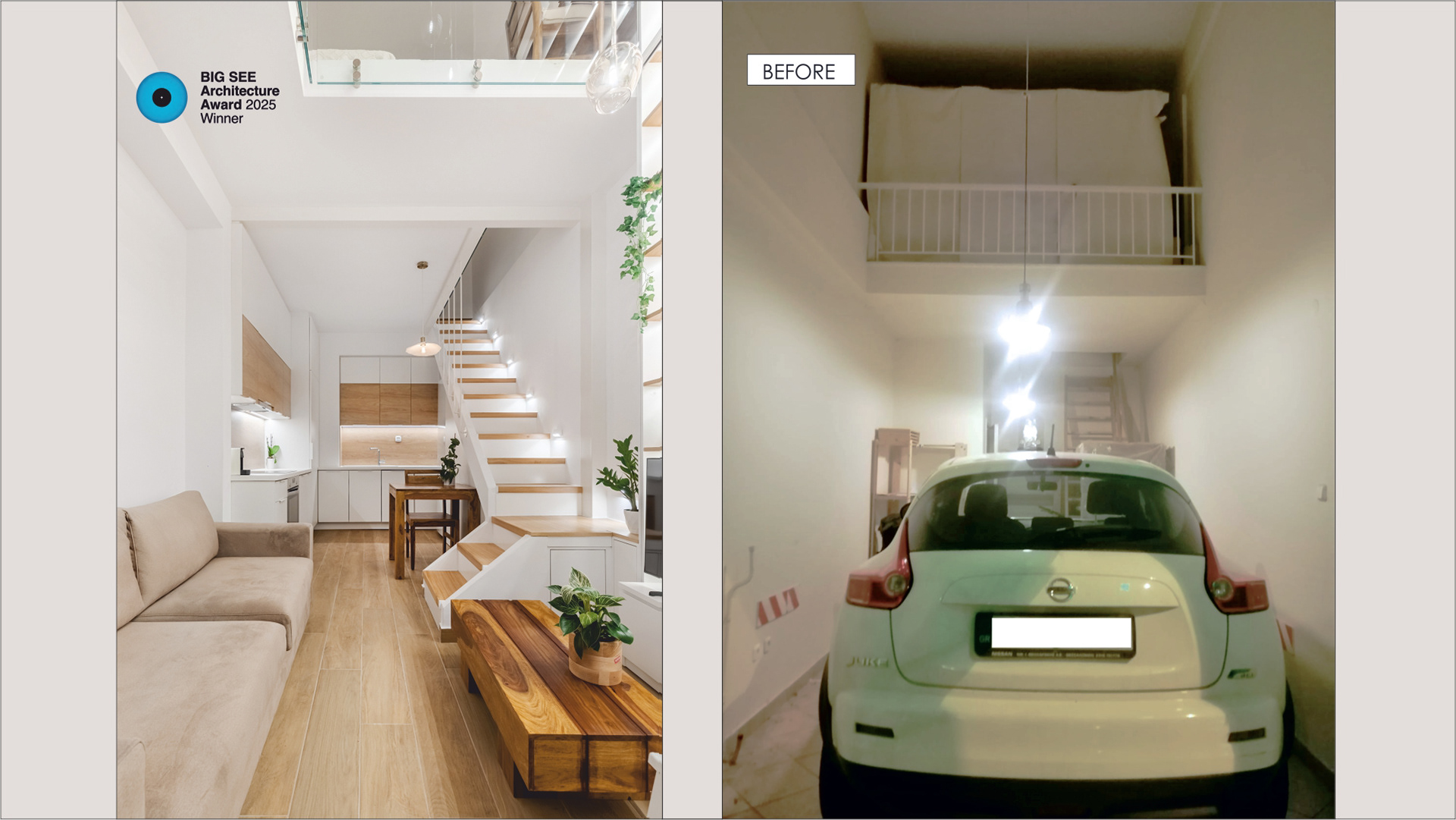
When do you need interior architecture instead of decoration?
Decoration can refresh a room. Interior architecture can redefine it. The distinction is not about prestige. It is about scope.
If the issue is mostly visual - furniture selection, artwork, rugs, paint, styling, and soft finishes - a decorating-led approach may be enough. But if the problem starts with circulation, proportion, storage, light flow, zoning, privacy, acoustics, or how different functions sit together, the space likely needs deeper intervention.
That is often the case in older homes with fragmented floor plans, apartments where every square foot has to work harder, or business environments where client experience and operational efficiency need to coexist. In those projects, selecting beautiful finishes too early can be a costly distraction. The real value lies in resolving the space first.
The clearest signs your project needs interior architecture
One common sign is that the layout is fighting the brief. You may have enough square footage, but the rooms are in the wrong place, storage is inadequate, sightlines are awkward, or the daily routine feels strained. This happens often in renovations where the existing shell no longer matches how people live or work.
Another sign is that the project involves construction decisions inside the envelope. Custom joinery, partition changes, kitchen and bathroom reconfiguration, integrated lighting, reception design, workspace planning, treatment room organization, and built-in furniture systems all sit comfortably within interior architecture territory. These elements shape not just appearance but the behavior of the space.
Technical complexity is another cue. If the project must respond to accessibility requirements, workflow demands, equipment integration, local code constraints, or specialist functions, interior architecture becomes less optional. A medical or dental practice, for example, cannot rely on aesthetics alone. It has to manage privacy, hygiene, staff circulation, patient comfort, and brand trust at the same time.
Then there is the issue of scale. Small spaces often need interior architecture more urgently than large ones. In a micro-residence, compact apartment, or narrow retail tenancy, every dimension carries pressure. Poor planning is magnified. Good planning is transformative.
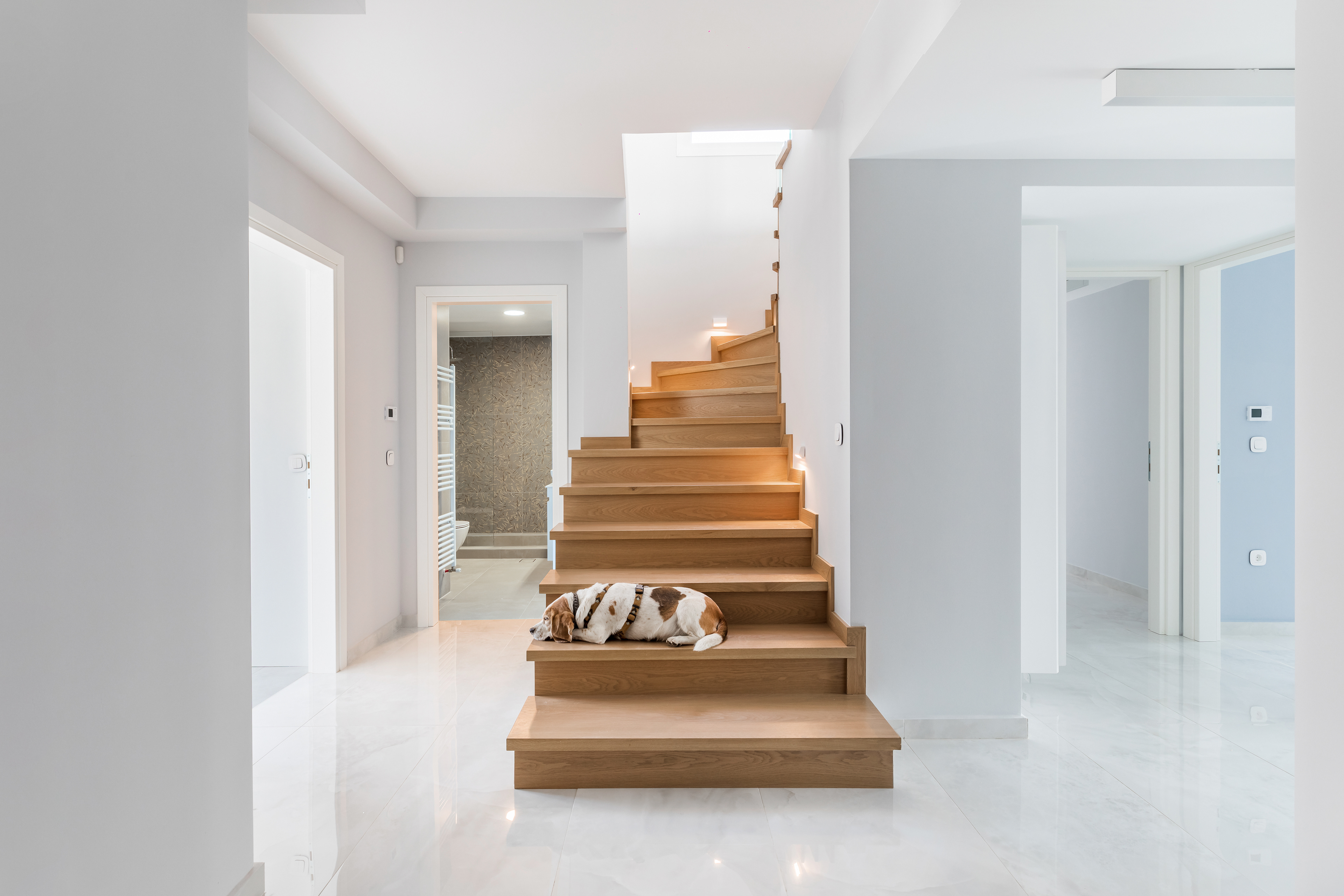
Residential projects that benefit most
Homeowners often assume interior architecture is only for major custom builds. In reality, it is especially valuable in renovation work.
A family home may need a better connection between kitchen, dining, and living areas without losing useful boundaries. An apartment may need concealed storage, a refined sleeping zone, or a work-from-home setup that does not visually overtake the entire residence. A heritage property may need updated function while respecting character. In each case, the challenge is spatial intelligence, not simply style.
This is also true when clients want a home to feel more considered rather than more decorated. Interior architecture helps create calm through alignment, proportion, material continuity, and integrated solutions. The result is not only polished. It is easier to live in.
There is a trade-off, of course. A more architectural approach usually requires earlier planning, more detailed documentation, and firmer decisions before construction begins. But that upfront rigor tends to reduce compromises later, especially where custom elements or contractor coordination are involved.
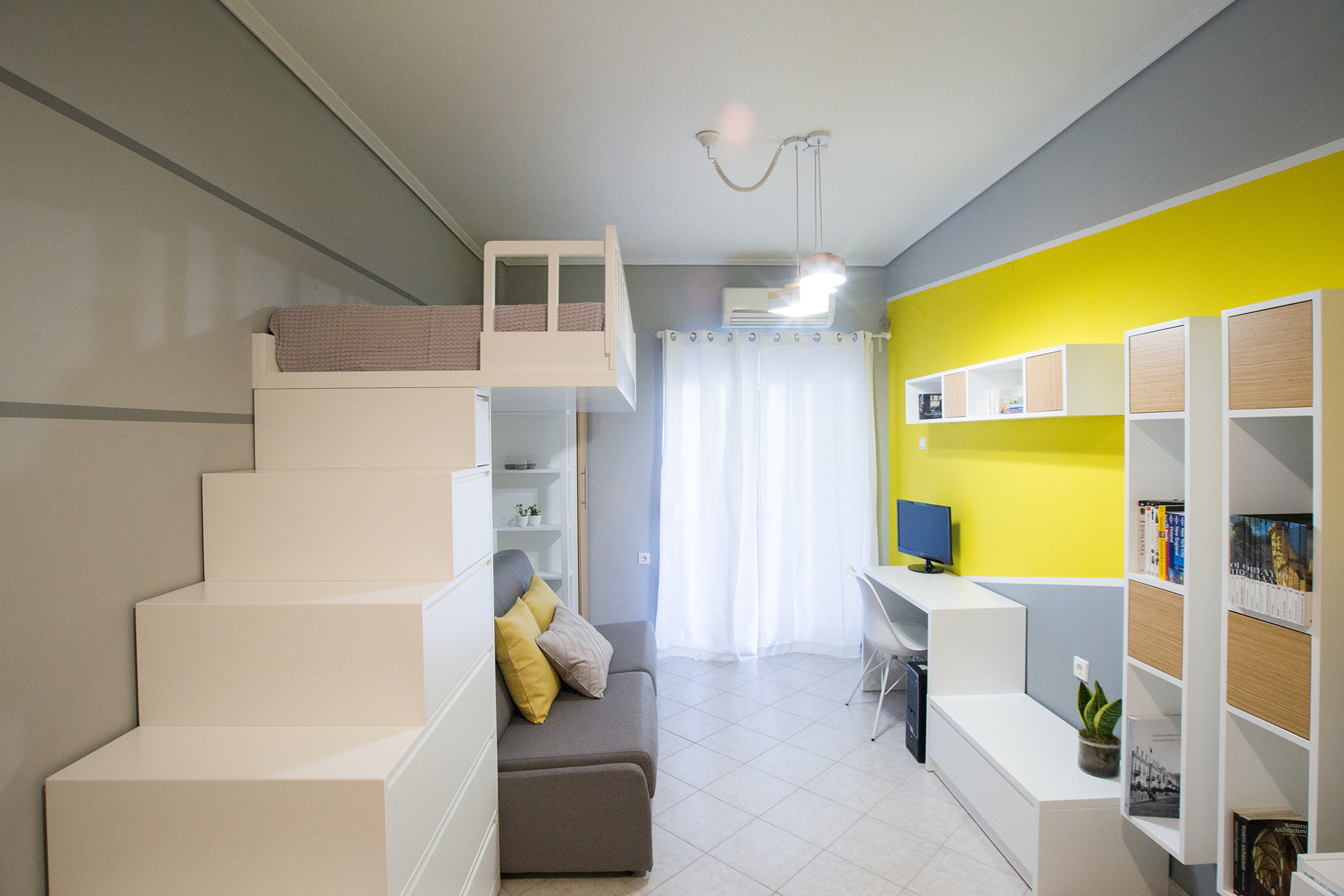
Commercial spaces where interior architecture is essential
Commercial interiors carry a different type of pressure. They must represent a brand while supporting revenue, staff performance, and customer behavior.
In retail, layout influences dwell time, visibility, and product hierarchy. In hospitality, atmosphere has to work alongside circulation, durability, and service flow. In an office, the right planning can improve concentration, collaboration, and acoustic comfort without flattening the personality of the workplace. In wellness spaces, the environment must feel intentional from arrival to treatment to exit.
This is where interior architecture becomes strategic. It can define thresholds, shape reception moments, organize back-of-house functions, and create a coherent spatial identity that extends beyond finishes. A well-designed commercial interior is not a branded shell. It is a business tool.
For developers and property owners, that distinction matters. If the goal is to increase usability, perceived value, tenant appeal, or market differentiation, interior architecture often has a direct role in the outcome.
Why specialized practices almost always need it
Healthcare and professional practice interiors deserve particular attention because they combine practical constraints with emotional ones.
A fertility clinic, pediatric office, pathology practice, or surgical consulting suite cannot feel generic. Patients read environments quickly. They notice privacy, calm, order, comfort, and professionalism long before they assess credentials. At the same time, staff need operational clarity, safe movement, discreet storage, and spaces designed around actual workflows.
This is one of the strongest answers to when do you need interior architecture. You need it when the space has to do more than host activity - it has to support trust, precision, and experience under pressure.
In these settings, interior architecture helps resolve details that are easy to underestimate: waiting areas that reduce stress, consultation rooms that balance openness with confidentiality, millwork that conceals complexity, and circulation that separates public and staff needs without feeling institutional.
New build versus renovation
Interior architecture is useful in both, but the timing changes.
In a new build, involving an interior architect early creates better alignment between the building shell and the interior vision. Room proportions, window placement, service locations, lighting strategy, and joinery planning can all be considered before costly revisions appear. This tends to produce a more resolved result because the interior is not treated as an afterthought.
In renovations, the value often lies in reinterpretation. Existing conditions rarely behave perfectly. There may be structural limitations, awkward corners, outdated service zones, or inherited decisions that no longer make sense. Interior architecture helps uncover what can be retained, what should be removed, and where intervention will have the greatest effect.
Not every renovation requires extensive spatial surgery. Sometimes the smartest move is selective precision - one wall shifted, one threshold widened, one storage core redesigned. Good interior architecture is not measured by how much it changes, but by how clearly it improves the experience of the space.
What clients often realize too late
Many projects begin with finishes because finishes are visible and easier to imagine. Stone, tile, paint, and fixtures feel like progress. But if the plan is unresolved, those selections sit on top of a weak foundation.
Clients also underestimate how many decisions are interconnected. Moving a kitchen changes lighting. Custom millwork affects power locations. Reworking a waiting area influences reception layout, acoustic treatment, and circulation. Interior architecture coordinates those relationships so the space feels composed rather than pieced together.
This is especially important for busy professionals and business owners. They are not hiring expertise to be shown more options. They are hiring it to reduce risk, sharpen the brief, and deliver a space that works on multiple levels at once.
Studios with cross-sector experience, including practices like Square Design Interiors, are often particularly effective here because they can apply residential sensitivity, commercial clarity, and specialist planning discipline where needed.
So when do you need interior architecture?
You need it when style alone will not solve the problem. When the layout is underperforming. When the space has to work harder, express more, or support a specific kind of living, care, selling, or working. When every square foot matters. When the interior needs to be built with intention, not just furnished attractively.
The best time to involve interior architecture is usually earlier than clients expect. Not once the shell is fixed and the finishes are due, but at the point where the right spatial decisions can still shape the outcome. That is where design stops being cosmetic and starts becoming valuable.
A successful interior should not only look resolved in photographs. It should feel exact in real life - calm where it should be calm, efficient where it needs to perform, and distinctive enough to leave an impression long after you leave the room.
A beautiful room can hold your attention for a moment. A well-resolved interior can change how you live, work, heal, shop, or host for years. That distinction sits at the center of the question, what is interior architecture. It is the discipline concerned with how interior space is structured, planned, and transformed so it performs as well as it looks.
Interior architecture goes beyond decoration and often beyond surface-level design. It addresses the built interior itself - the layout, circulation, proportions, joinery, spatial function, material logic, and the relationship between people and space. In practice, it is where design thinking meets the technical realities of renovation, adaptation, and interior transformation.
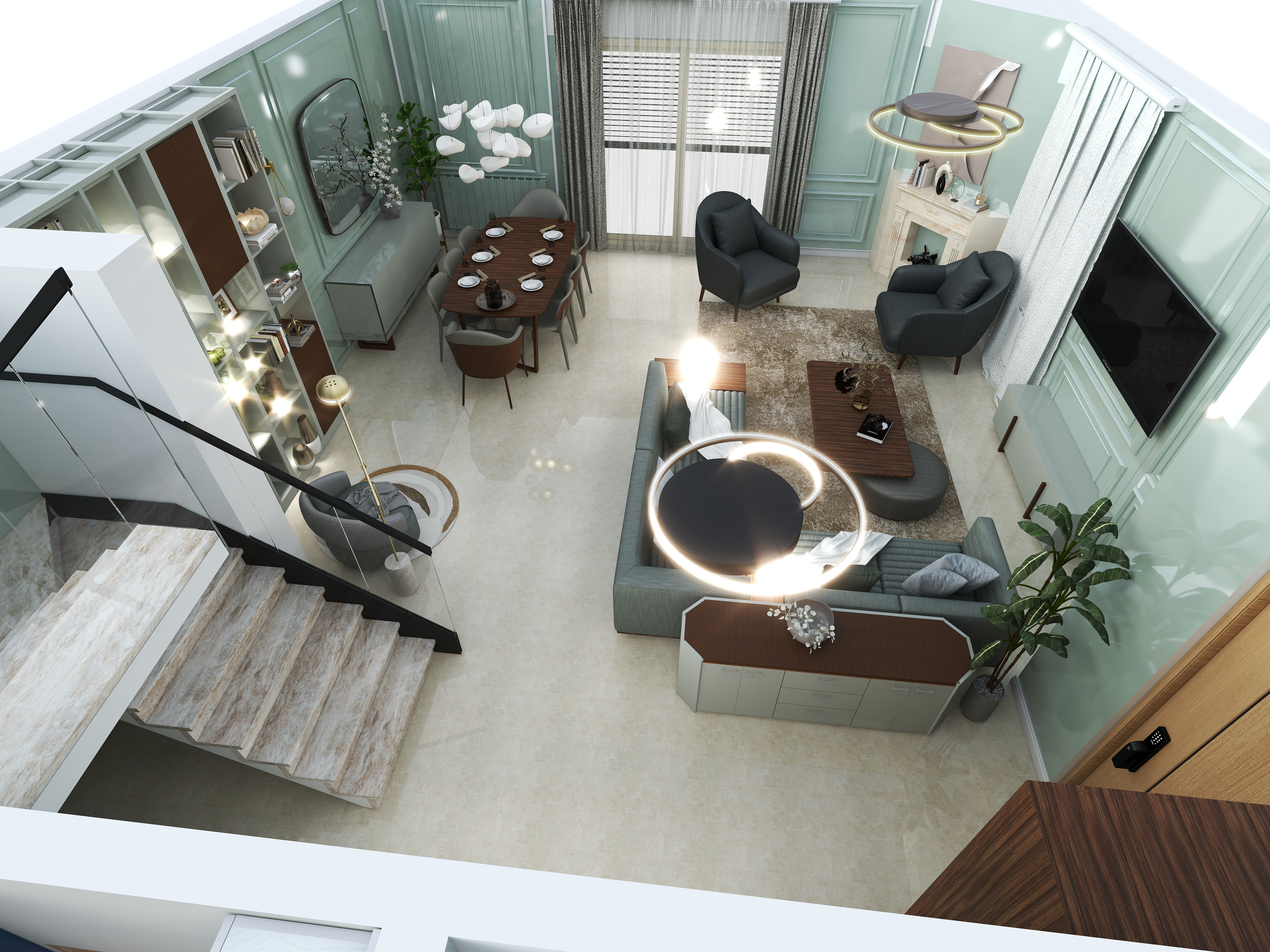
What is Interior Architecture in Practice?
Interior architecture is the design of interior environments with close attention to structure, function, and human use. That can mean reworking the plan of an apartment so it feels generous rather than cramped, reorganizing a retail store to improve customer flow, or shaping a medical practice so privacy, compliance, and calm all coexist.
Unlike decorating, which typically focuses on furnishings, accessories, and visual styling, interior architecture deals with the bones of the interior. It may involve moving walls, redefining thresholds, integrating storage, resolving awkward footprints, introducing custom millwork, improving natural light distribution, or planning how different zones connect.
The scope can vary. In some projects, interior architecture is light-touch and strategic, refining an existing shell without major structural change. In others, it is central to the entire brief, particularly in renovations, adaptive reuse, mixed-use spaces, hospitality settings, and specialized professional environments where function is inseparable from design.
The Difference Between Interior Architecture and Interior Design
The two disciplines overlap, and in strong projects they often work together. Still, they are not quite the same.
Interior design usually concentrates on the experience of the finished space through furniture selection, finishes, color, lighting, textiles, styling, and atmosphere. Interior architecture works earlier and deeper in the process, shaping the spatial framework those choices sit within.
That does not mean one is more valuable than the other. A project with a flawless floor plan but unresolved finishes will feel incomplete. A project with striking furniture and beautiful materials but a poor layout will remain frustrating to use. The best interiors are cohesive because architecture and design are considered together.
For clients, the practical distinction is simple. If your challenge is mostly visual, decorative, or furnishing-based, interior design may be the lead service. If your challenge involves space planning, renovation logic, structural coordination, built-in elements, specialist functionality, or how the interior physically works, interior architecture is likely part of the answer.
Why Interior Architecture Matters
Most people notice a space when it looks good. They stay loyal to it when it works effortlessly.
Interior architecture shapes that performance. It affects how easily people move through a home, how productively teams work in an office, how intuitively patients navigate a clinic, and how comfortably guests settle into a hospitality setting. It can increase privacy without making a space feel closed off. It can create storage without visual heaviness. It can turn an underperforming footprint into an efficient, elegant environment.
This matters even more in spaces with competing demands. A micro-residence has to feel open while delivering real utility. A dental practice must balance hygiene protocols, clinical workflow, and patient reassurance. A boutique retail interior needs strong brand presence without compromising circulation or display flexibility. In each case, interior architecture translates constraints into spatial clarity.
What an Interior Architect Actually Considers
An interior architect is not simply choosing finishes or making a room look polished. The role is broader and more strategic.
They study how the space is used, what is not working, and what the interior could become. That includes examining the footprint, sightlines, access points, zoning, lighting conditions, built elements, and user behavior. They also consider how material choices, detailing, and form support the intended atmosphere and long-term performance of the space.
In renovation work, that often means designing within existing conditions rather than starting from a blank page. Older properties may have structural limitations, service constraints, uneven proportions, or legacy planning decisions that no longer support current use. Interior architecture helps reorder those conditions with precision.
In commercial and professional projects, there is usually another layer. Brand identity, regulatory expectations, staff workflow, durability, maintenance, and client perception all influence the design response. A refined result is rarely accidental. It comes from resolving those practical demands without sacrificing visual coherence.
What Is Interior Architecture Used For?
Interior architecture is especially relevant when a project needs more than cosmetic improvement.
In residential settings, it is often used for renovations, apartment reconfiguration, kitchen and bathroom redesign, open-plan transitions, custom storage integration, and small-space optimization. The goal is not only to modernize a home but to improve how it supports daily life.
In commercial spaces, interior architecture helps define how a business operates and how it is perceived. Offices need focus, flexibility, and spatial hierarchy. Retail spaces need flow, visibility, and strong merchandising zones. Hospitality interiors need atmosphere while remaining durable and operationally efficient.
Professional and healthcare environments often require the most careful planning of all. Consultation rooms, treatment spaces, reception areas, staff zones, and back-of-house functions each carry technical and experiential requirements. The design must support privacy, confidence, efficiency, and trust, often within tight footprints or existing tenancy conditions.
The Process Behind Interior Architecture
Good interior architecture is highly creative, but it is not improvised. It moves through a clear process.
It begins with understanding the brief in real terms. Not just style preferences, but how the space should perform, who uses it, what problems need solving, what limitations exist, and what level of intervention is appropriate. A family renovating a home, for example, may need better storage, stronger indoor-outdoor connection, and more private retreat spaces. A wellness studio may need calm sequencing, durable finishes, and flexible treatment areas.
From there, spatial concepts are developed. These explore planning options, adjacencies, circulation, and the overall design direction. This is often where the most valuable decisions are made, because layout changes can dramatically improve a project before any finish is selected.
Then comes refinement. Joinery, material palettes, lighting integration, detailing, and documentation bring the concept into a buildable form. Depending on the project, this stage may involve coordination with architects, contractors, engineers, consultants, or specialist suppliers.
The process is rarely linear in a perfect sense. Budgets, approvals, site conditions, and evolving client priorities can shift the path. That is part of the discipline. Interior architecture is not just about ideal outcomes on paper. It is about achieving design integrity within real-world constraints.
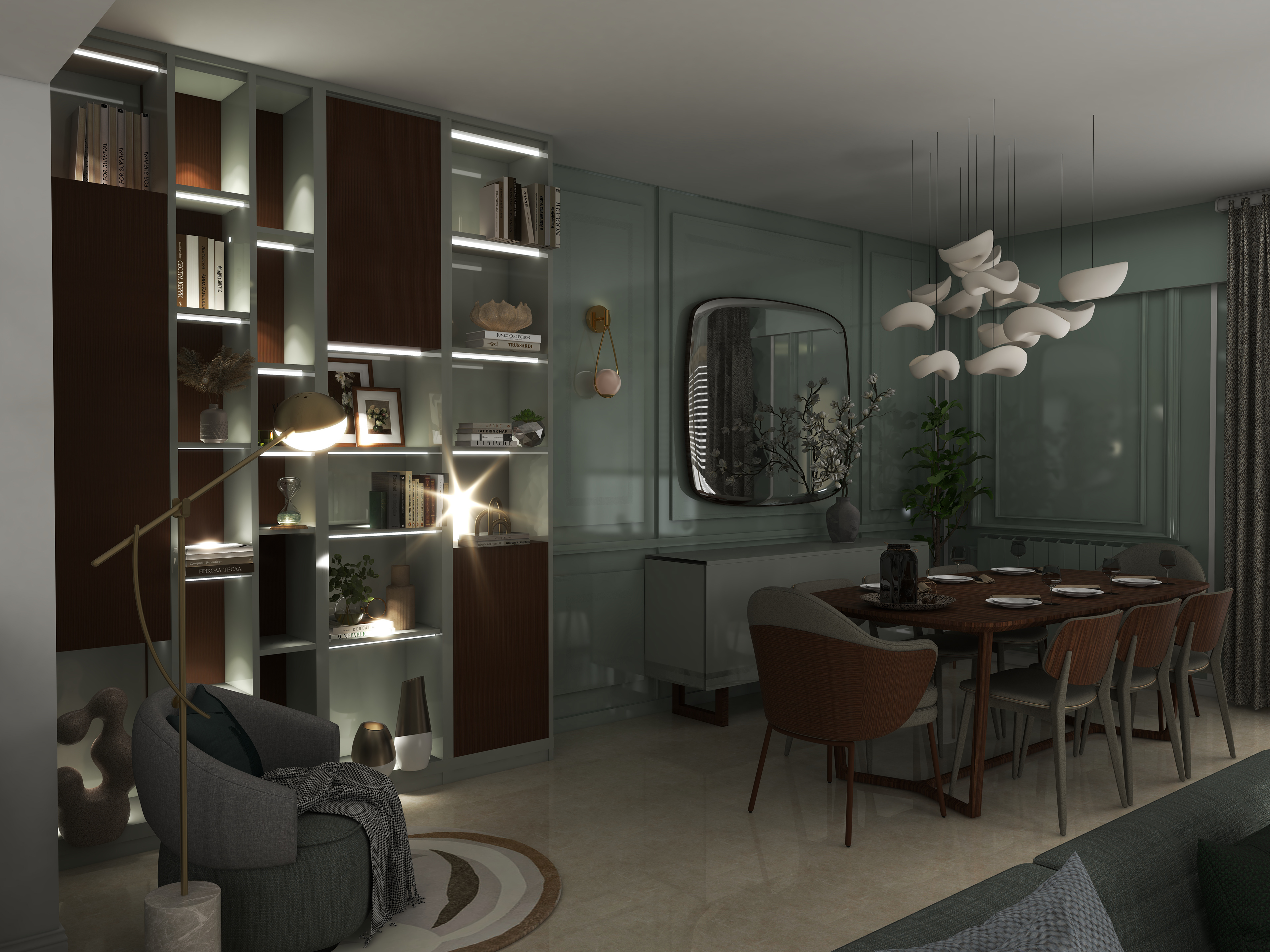
When Clients Often Need It Without Realizing It
Many clients begin by asking for a refresh when the real issue is spatial. A home may feel cluttered not because it needs new furniture, but because storage was never integrated properly. An office may seem dated, yet the larger problem is poor zoning and lack of acoustic separation. A store may struggle with customer engagement because the interior does not guide movement effectively.
This is where interior architecture becomes especially valuable. It diagnoses the underlying issue rather than treating the visible symptom.
That said, not every project needs structural change or full re-planning. Sometimes the smartest approach is selective intervention: redesigning one key area, introducing tailored joinery, improving transitions between spaces, or upgrading finishes in a way that supports a stronger spatial read. The right scope depends on the property, the brief, and the ambitions of the project.
Interior Architecture and Long-Term Value
One of the most compelling reasons to invest in interior architecture is longevity. Trends move quickly. A well-planned interior tends to outlast them.
When layout, proportion, materiality, and built detail are handled well, the space remains functional and relevant even as furnishings or styling evolve. That is true in homes and even more so in commercial environments, where operational performance and brand presentation directly affect value.
For developers and business owners, thoughtful interior architecture can sharpen market appeal, improve user experience, and support stronger day-to-day outcomes. For homeowners, it can make a property more livable, more efficient, and more aligned with the way they actually want to live.
Studios such as Square Design Interiors approach this work with a broad view of how interiors perform across sectors, from residences and apartments to hospitality, retail, and specialist professional practices. That range matters because great spatial thinking is not formulaic. It adapts to context.
If you are asking what is interior architecture, the clearest answer is this: it is the design of interior space at a level where beauty, function, and construction meet. And when that balance is right, the result is not just a better-looking interior. It is a space that feels resolved the moment you walk in and continues to prove its value long after the project is complete.
- - - - - - - - - - - - - - - - - - - - - - - - - -
How to interior design a small bedroom starts with layout
Before selecting a paint color or bedside lamp, look at the room as a plan. Where the bed sits will determine almost everything else, including circulation, storage access, and visual balance. In most small bedrooms, the bed should occupy the strongest wall, ideally one that allows clear movement on at least one side and at the foot. Centering the bed can create symmetry, but symmetry is not always the smartest move if it sacrifices function.
This is where trade-offs come in. If the room is narrow, pushing the bed slightly off-center may free enough space for a proper built-in wardrobe or a slim nightstand. If the ceiling height is generous, vertical storage can compensate for limited floor area. If there is only one natural position for the bed, the rest of the room needs to support that decision rather than fight it.
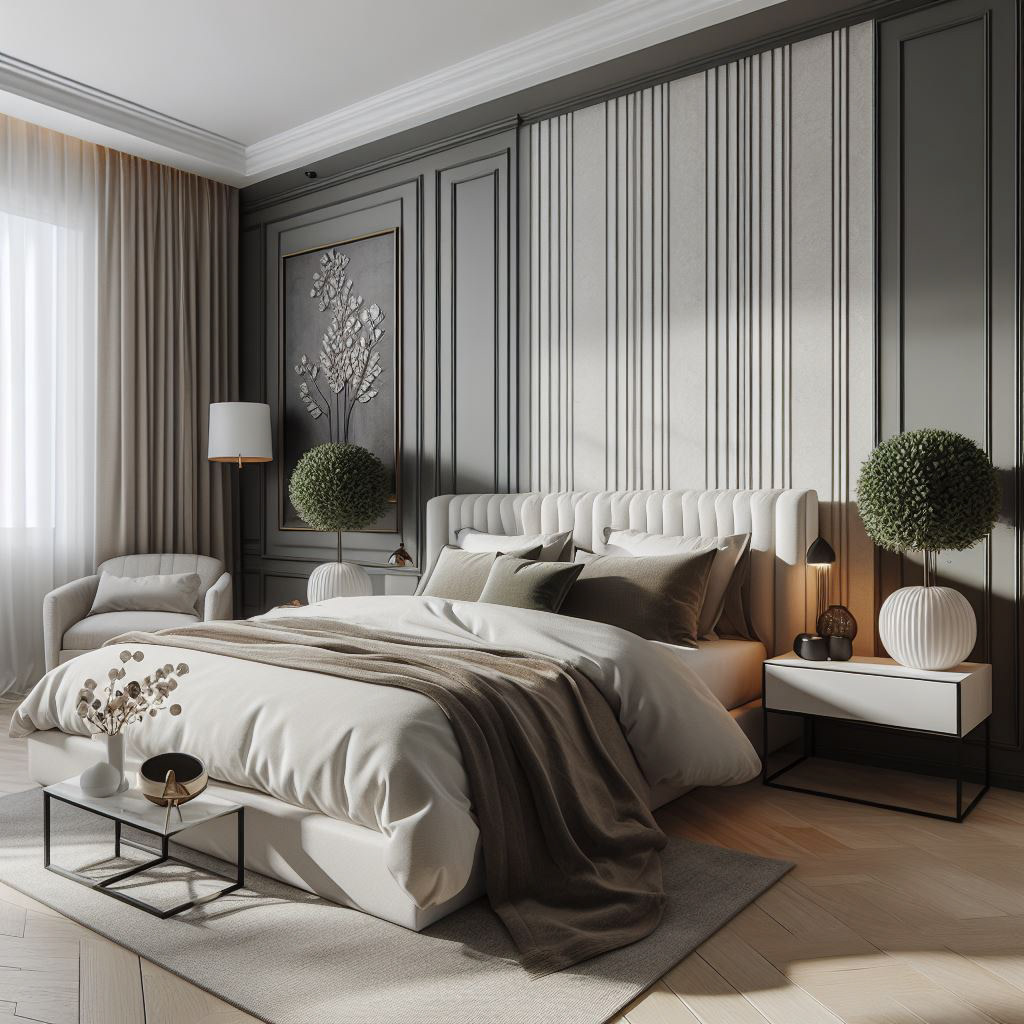
A small bedroom also benefits from fewer furniture pieces, each chosen with purpose. Instead of forcing in a dresser, two nightstands, a bench, and an accent chair, select the pieces that serve the room best. In many cases, a custom headboard wall with integrated night ledges and concealed storage will outperform a collection of standalone furniture.
Scale matters more than quantity
One oversized piece can be smarter than several undersized ones, but only if the proportions are controlled. A bed with a bulky frame and thick side rails can visually consume a compact room, while a tailored platform bed with a simple profile feels quieter and more architectural. The same principle applies to nightstands, lighting, and upholstered elements.
Small bedrooms often suffer from a common mistake: everything is selected small in an attempt to make the room feel bigger. The result can feel tentative and visually busy. A more refined approach is to reduce the number of elements, then choose pieces with clean lines and disciplined proportions. A single well-scaled pendant over a bedside table can feel more sophisticated than a clutter of wall decor trying to add interest.
This is especially relevant in contemporary interiors, where restraint creates luxury. The room does not need many statements. It needs one coherent concept.
Storage should be designed, not added later
When clients ask how to interior design a small bedroom effectively, the answer almost always comes back to storage. Not generic storage, but storage integrated into the architecture of the room. That means using the full height of the wall, considering under-bed drawers or lift-up bed bases, and treating millwork as part of the design language rather than a practical afterthought.
Built-in wardrobes are often worth the investment because they remove visual noise. A fitted wardrobe aligned to the ceiling reads as intentional and polished, particularly when doors are detailed simply and hardware is minimal. In contrast, mismatched dressers, bins, and add-on shelves can make even a nicely styled room feel unresolved.
There is also a difference between hidden storage and display. In a small bedroom, hidden storage usually wins. Open shelving can work, but only if what is stored there is limited and aesthetically consistent. Otherwise, every visible item becomes part of the visual load of the room.
If the bedroom needs to accommodate multiple functions, zoning becomes important. A compact vanity niche, a floating desk, or a wardrobe wall with integrated drawers can work beautifully, but only when the room still reads first as a place for rest. Once the space begins to resemble a storage room with a bed in it, the design has lost clarity.
Color and material choices should expand the room, not flatten it
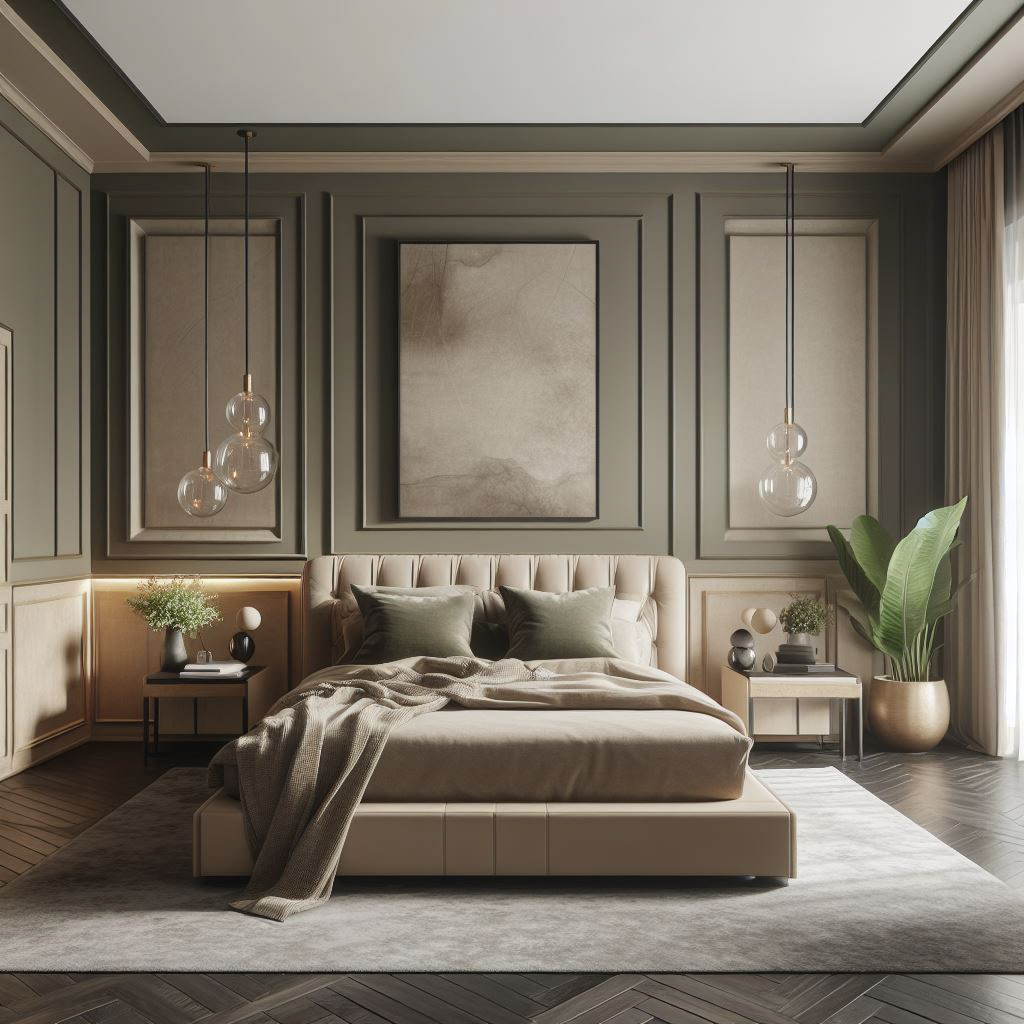
The color palette in a small bedroom does not have to be pale to be successful. Light tones can reflect more daylight and create a sense of openness, but deeper hues can also work when the room is treated as a fully composed envelope. The real objective is cohesion.
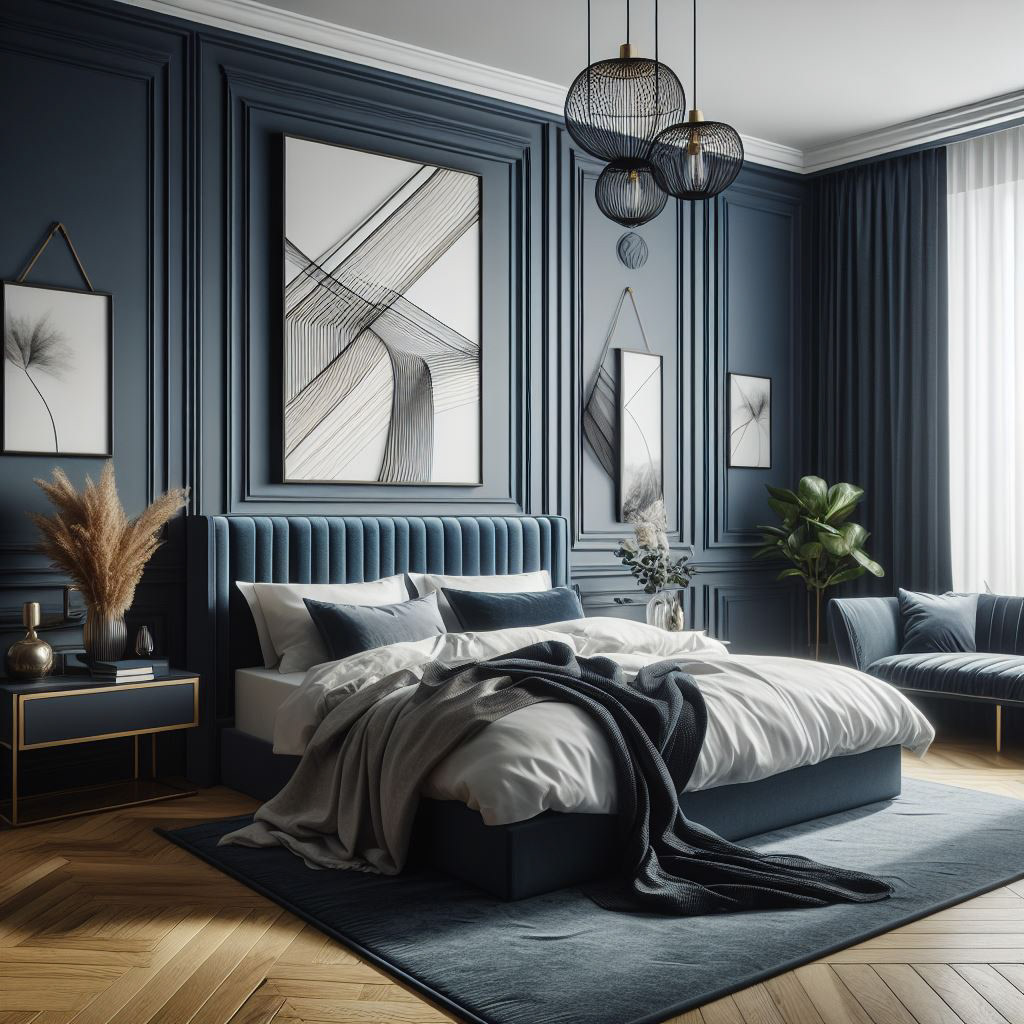
A tight palette with tonal variation often performs better than sharp contrast. Warm whites, soft taupes, muted grays, clay tones, and layered neutrals create continuity across walls, upholstery, and millwork. That continuity softens boundaries and allows the room to feel more expansive. If you prefer darker colors, use them with confidence across multiple surfaces rather than as isolated accents that chop up the space.
Material selection is equally important. Matte finishes tend to feel quieter than glossy ones, while natural textures such as linen, timber, boucle, and brushed metal bring depth without clutter. In a small room, too many competing finishes can make the design feel fragmented. Repetition creates elegance.
That does not mean the room should feel bland. Contrast can come through texture, shape, and lighting rather than through excessive pattern or color shifts. A ribbed timber bedside detail, a tailored upholstered bed, or a softly veined stone top can introduce richness in a much more controlled way.
Lighting is what gives a small bedroom presence
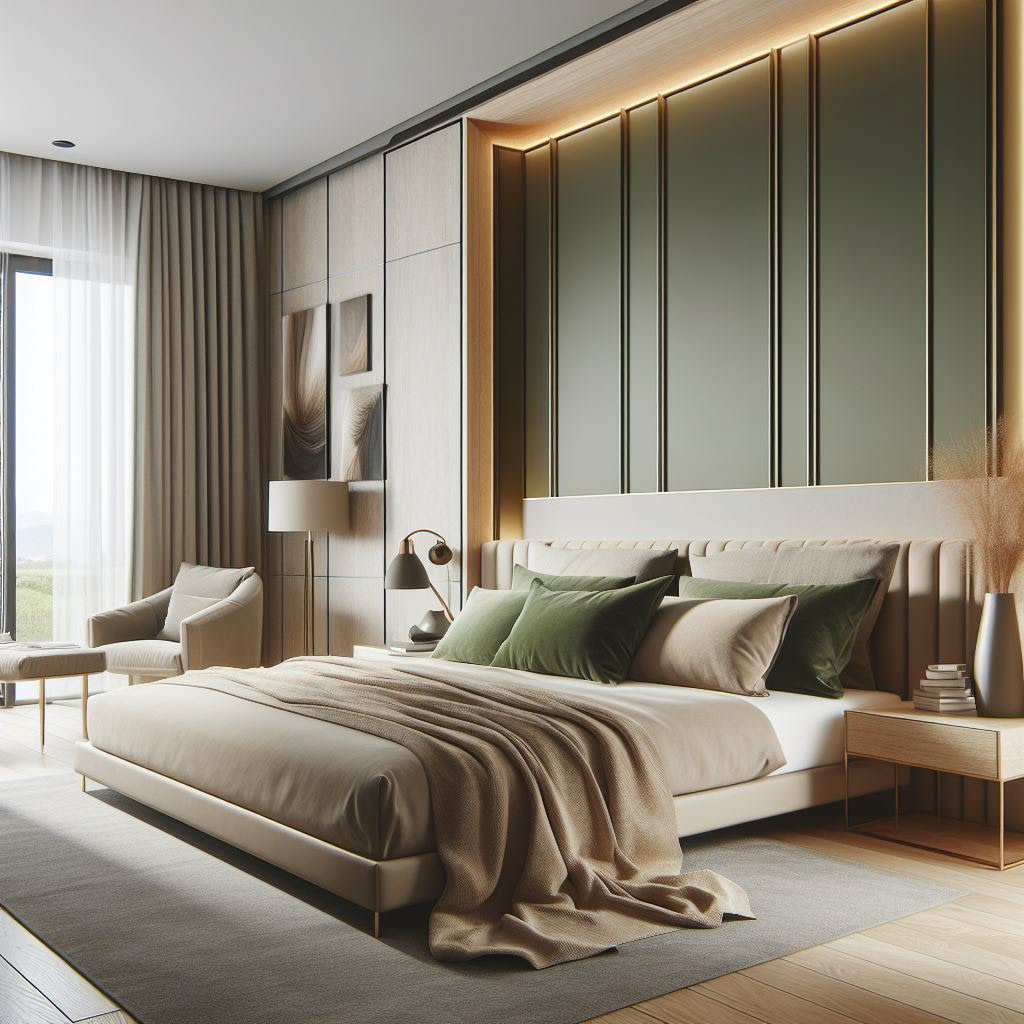
A compact bedroom with poor lighting will always feel more limited than it is. Good lighting creates dimension, mood, and function. It should be layered, not dependent on a single overhead fixture.
Start with ambient light, then add task lighting at the bed and accent lighting where appropriate. Wall-mounted sconces are particularly useful in small bedrooms because they free up bedside surface area. Pendant lights can work as well, especially when the goal is to create a more custom, boutique-hotel expression.
Lighting placement should support the way the room is used. If one person reads in bed and the other prefers lower light, independent bedside controls matter. If the bedroom doubles as a dressing space, wardrobe lighting or a well-lit mirror may be essential. These practical decisions have a direct impact on how elevated the room feels day to day.
Dimmers are often overlooked, yet they are one of the simplest ways to make a small bedroom feel more considered. The ability to shift the atmosphere from bright and functional to soft and restful is part of what gives a room polish.
The visual weight of the room needs to be edited carefully
A well-designed small bedroom usually has less on display than people expect. Fewer decorative objects, fewer pillows, fewer interruptions. This is not about austerity. It is about allowing the room to breathe.
Window treatments should be tailored and clean. Full-height drapery can make the room feel taller, while poorly sized curtains can do the opposite. Rugs should anchor the bed properly, not float awkwardly in the leftover floor space. Artwork should be scaled to the wall and to the furniture below it. Small, scattered pieces often make a room feel more compressed.
Mirrors can help, but they are not a cure-all. Used strategically, a mirror can reflect light and extend sightlines. Used carelessly, it can double visual clutter or create uncomfortable reflections from the bed. Placement matters more than presence.
Styling should support the architecture of the room, not compete with it. A single sculptural vase, one framed artwork, or a restrained arrangement of books is often enough. The most luxurious small bedrooms feel edited because every visible item has earned its place.
When custom design makes the difference
Some small bedrooms respond well to off-the-shelf solutions. Others need a more resolved approach. Awkward corners, sloped ceilings, limited closet depth, or the need to combine sleeping and work functions often call for tailored interior architecture rather than standard furniture planning.
That is where professional design adds real value. A custom joinery wall, integrated headboard system, or reworked lighting and electrical plan can transform a room far beyond what styling alone can achieve. For clients balancing aesthetics with performance, especially in urban homes, apartments, or compact secondary bedrooms, the design should work as hard as the square footage allows.
Square Design Interiors approaches compact spaces with exactly that mindset: every room should feel visually distinct, highly functional, and intentional at every scale.
A small bedroom does not need to pretend to be larger than it is. It needs to be designed with enough clarity that size stops being the first thing you notice. When proportion, storage, light, and materiality are handled well, the room begins to feel calm, tailored, and complete.
- - - - - - - - - - - - - - - - - - - - - -
Interior Design 2026 Living Room Trends
The formal sitting room is fading. In its place, the living room has become a harder-working space - part retreat, part entertaining zone, part visual anchor for the home. That shift is exactly what makes interior design 2026 living room planning more exacting than trend roundups suggest. The most successful rooms will not simply look current. They will feel composed, adaptable, and deeply aligned with how people actually live.
For homeowners, developers, and design-aware clients, 2026 is less about decorating gestures and more about spatial intelligence. The living room is where material choices, layout discipline, comfort, and identity meet. A beautiful room that fails in function now reads as unfinished.
What defines interior design 2026 living room direction
The clearest design movement for 2026 is a return to warmth without visual heaviness. After years of ultra-minimal rooms and overly pale palettes, living spaces are becoming richer, more tactile, and more grounded. That does not mean cluttered or traditional. It means interiors with depth.
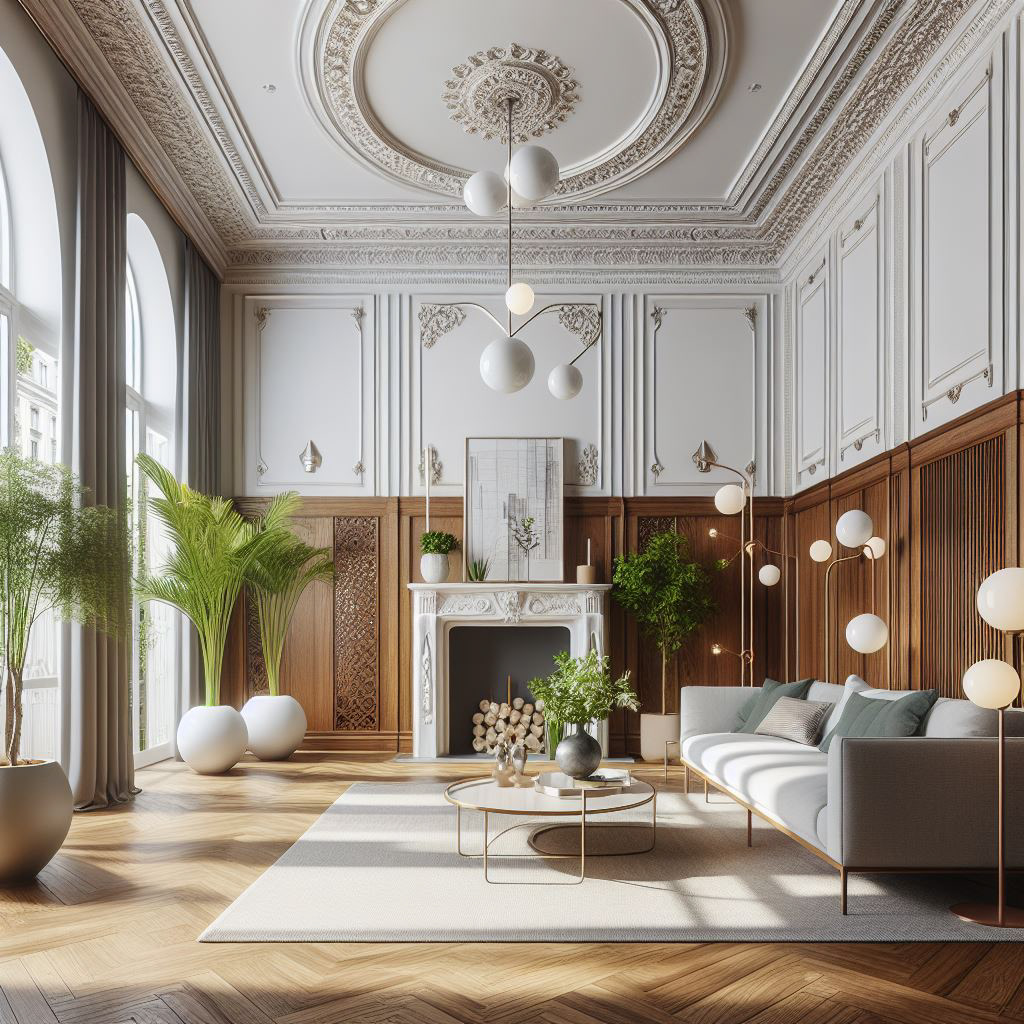
Expect to see plaster-like walls, natural stone with movement, smoked oak, brushed metals, boucle used more selectively, and upholstery with a cleaner hand. Soft curves remain relevant, but they are becoming more architectural and less playful. The room should feel edited, not themed.
Color is shifting too. Warm neutrals remain foundational, but they are being pushed into more nuanced territory - mineral taupe, clay, mushroom, olive-gray, deep sand, and muted oxblood accents. In stronger schemes, blue is less coastal and more tailored, while green is moving from sage into darker botanical tones. These shades suit both urban apartments and larger residences because they create a quieter kind of luxury.
The layout matters more than the look
The biggest mistake in living room design is treating furniture selection as the main event. In practice, layout does more of the heavy lifting. A well-composed room can elevate modest finishes, while a poorly resolved plan will make even premium pieces feel disconnected.
In 2026, layouts are becoming more conversational and less screen-dominated. That does not mean every room ignores television placement. It means the room is being designed as a complete environment rather than a viewing station. In many projects, the strongest solution is to give media integration presence without allowing it to define the geometry of the space.
This can be achieved through balanced joinery, low-profile media walls, pivoting screens, or furniture groupings that support both conversation and viewing. In open-plan homes, zoning becomes even more critical. Rug placement, ceiling treatment, lighting composition, and the orientation of the sofa all help establish the living room as a distinct destination within a larger footprint.
For smaller homes and micro-residences, efficiency is driving design decisions. That often means fewer pieces, better scaled. One correctly proportioned sofa, a pair of mobile side tables, and a sculptural lounge chair will usually outperform an overcrowded arrangement. Restraint reads as confidence.
Materials are getting quieter and more sophisticated
If recent years were about statement finishes, 2026 is about control. Luxury is increasingly communicated through texture, craftsmanship, and tonal layering rather than obvious contrast.
Wood tones are warming up, especially in matte finishes. Walnut, smoked oak, and mid-tone timber add structure without making the room feel formal. Stone is still central, but the selection is becoming more refined - heavily patterned slabs can work beautifully, though only when the rest of the palette is disciplined. In many cases, honed limestone, travertine, or composite surfaces with a chalkier appearance feel more current.
Metals are softening as well. Highly reflective chrome has its place, particularly in cleaner contemporary schemes, but aged brass, bronze, pewter, and darkened steel offer more longevity. These finishes sit well with textured plaster, channel-tufted upholstery, and cabinetry that is integrated rather than ornamental.
There is also a stronger push toward materials that support energy-conscious renovations. Better glazing, layered window treatments for thermal control, natural fibers, and durable low-maintenance finishes are becoming part of the design conversation earlier. For clients investing in a full redesign, sustainability is less a separate feature and more a baseline expectation.
Furniture in 2026: sculptural, grounded, and usable
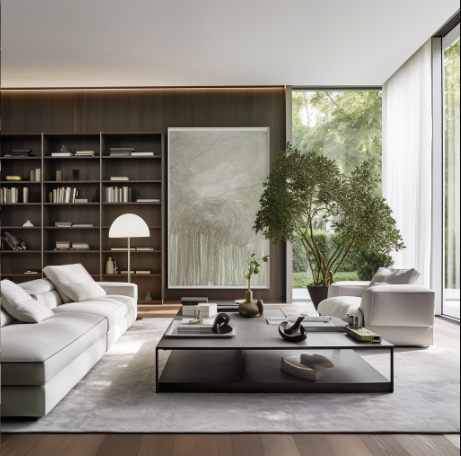
Living room furniture is becoming more architectural, but comfort still has to be immediate. That tension is where good design shows itself. A sofa should have presence, but it also has to invite use. A coffee table can be sculptural, but if circulation suffers, the room loses credibility.
The strongest furniture directions for 2026 include deeper seat profiles with cleaner tailoring, modular sofas that do not look overly casual, curved armchairs with compact footprints, and mixed-material tables that introduce contrast without visual noise. Fluted and ribbed details are still relevant, though they are being used with more precision.
This is also the year to be careful with trend saturation. Oversized boucle everywhere, overly rounded furniture in every piece, and decorative arches repeated across the room can date a space quickly. A more enduring approach is to combine one or two signature forms with quieter supporting elements. The room should feel collected by design, not assembled from a single season.
Lighting is becoming a design layer, not an afterthought
A polished living room is rarely the result of furniture alone. Lighting is what gives the room depth after sunset, and in 2026 it is being treated as part of the architecture.
Layering is essential. Ambient light establishes the overall mood, task lighting supports reading or flexible use, and accent lighting gives focus to art, shelving, or material texture. Recessed downlights on their own tend to flatten the room. A better composition might include concealed cove lighting, a sculptural pendant, table lamps with substantial bases, and directional wall lighting that creates a softer perimeter.
There is also growing interest in lighting that feels decorative by day and atmospheric by night. Sculptural fixtures with stone, linen, parchment, or patinated metal finishes help bridge utility and visual identity. This matters especially in open-plan interiors where the living room has to hold its own within a broader architectural sequence.
Styling is shifting away from excess
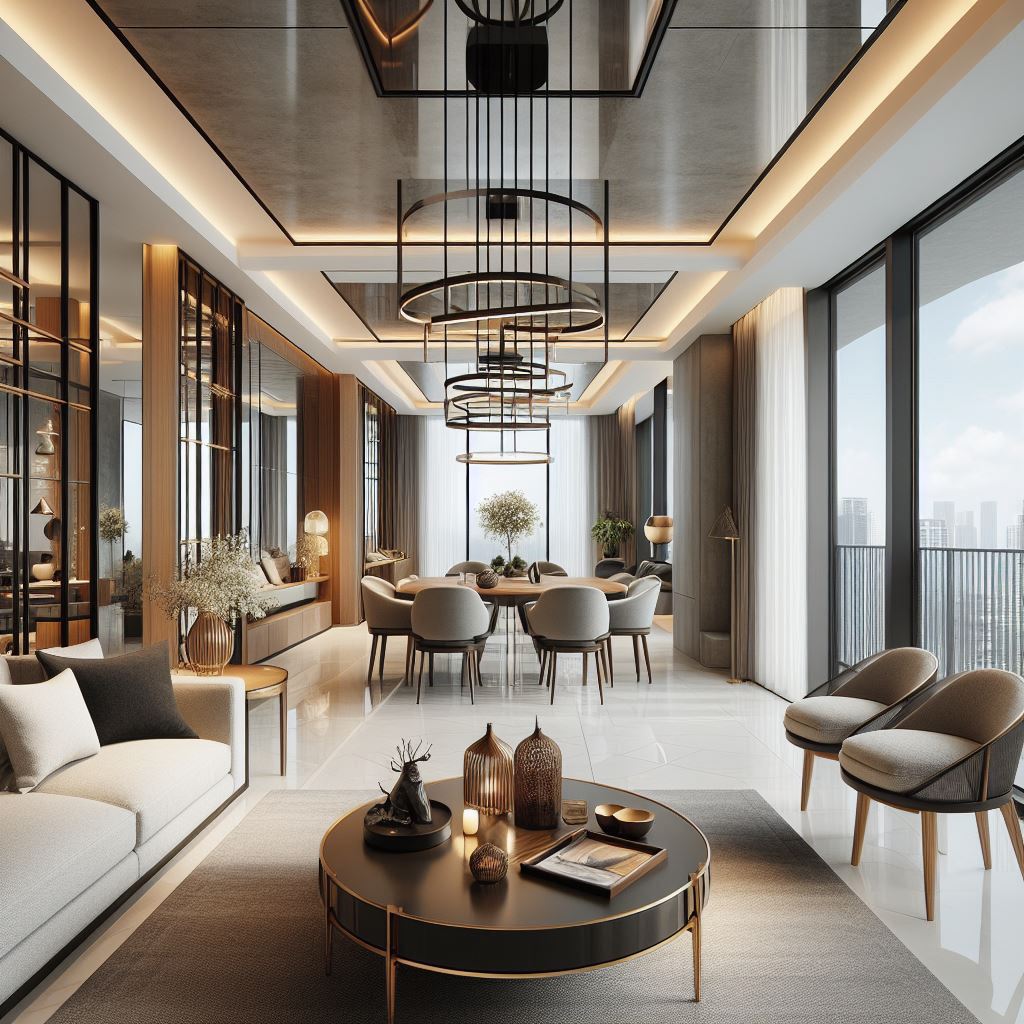
Styling in the interior design 2026 living room is more restrained than many social platforms suggest. Shelves are less crowded. Coffee tables are less performative. Accessories still matter, but they are being used to reinforce materiality and mood rather than fill every surface.
Art is taking a larger role, particularly oversized pieces that anchor the room and reduce the need for too many smaller items. Ceramics, books, and objects with real texture still belong, but editing is the point. One significant vessel can do more than six minor accessories.
Textiles are similarly measured. Layering remains important, though the effect is subtler - tonal rugs, tailored drapery, and cushions that vary in scale and weave rather than color alone. The result is a room that feels complete without looking staged.
What clients should get right before choosing finishes
Before selecting paint, upholstery, or statement lighting, it is worth resolving a few practical questions. How does the room need to perform on weekdays versus weekends? Is it primarily for family use, formal entertaining, or both? Does it need to connect visually to a dining area, kitchen, or terrace? Are storage and concealed tech essential?
These questions affect every design move that follows. A living room for frequent hosting may need more flexible seating and stronger circulation. A room in a compact apartment may rely on custom joinery to maintain visual calm. A developer-led project may prioritize broad appeal, while a private residence can afford a more tailored point of view.
This is where professional interior architecture adds value. The strongest living rooms are not simply styled attractively. They are planned with proportion, sightlines, lighting logic, and daily use in mind. For clients undertaking renovation or furnishing at a higher level, that distinction is visible.
Square Design Interiors approaches living spaces with exactly that balance of visual clarity and practical resolution. In 2026, that combination is not a luxury extra. It is the standard discerning clients will expect.
A living room should not chase relevance. It should feel current because it is well designed - calm, confident, and ready to hold real life beautifully.